

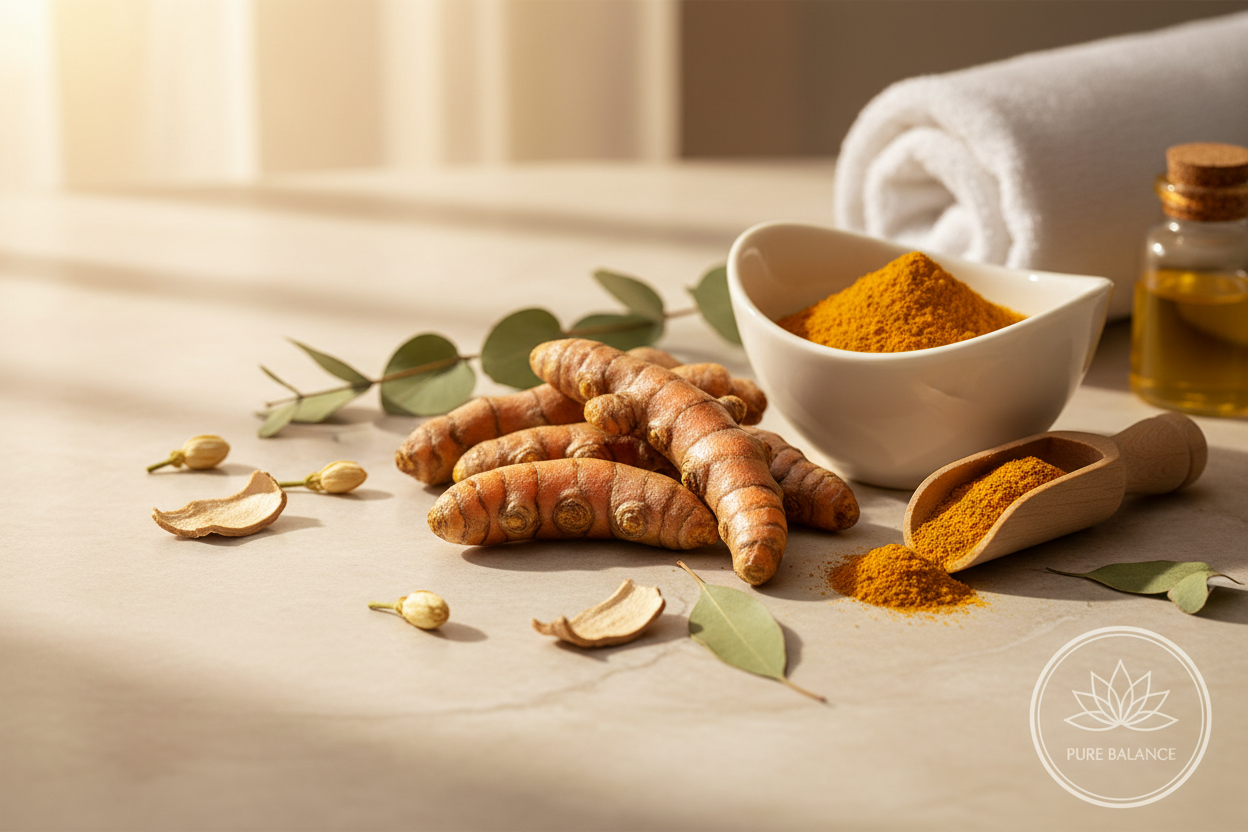
Why Turmeric Supplements Are Essential for Menopause
Turmeric has become one of the most researched and recommended supplements for women navigating menopause, and for good reason. This golden spice offers powerful anti-inflammatory benefits, joint pain relief, and overall wellness support during peri-menopause, menopause, and post-menopause.
In this comprehensive guide, we'll explore the science-backed turmeric benefits, how to choose the best turmeric supplements, and why this ancient spice is becoming a menopause alternative essential for women seeking natural support during hormonal transitions.
What is Turmeric and Why Does It Matter for Menopause?
Understanding Turmeric and Curcumin
Turmeric is a bright golden-yellow spice derived from the root of the Curcuma longa plant, used for thousands of years in Ayurvedic and traditional Chinese medicine.
Curcumin is the active compound in turmeric responsible for most of its health benefits. Curcumin makes up about 3-5% of turmeric and provides the powerful anti-inflammatory and antioxidant effects.
Why this matters for supplements: To get therapeutic turmeric benefits, you need concentrated curcumin. Eating turmeric in food provides minimal curcumin, which is why turmeric supplements are essential for menopause support.
Top 15 Turmeric Benefits for Menopause (Science-Backed)
1. Reduces Joint Pain and Inflammation (The #1 Turmeric Benefit)
Joint pain and stiffness are among the most common menopause complaints. Turmeric benefits include powerful anti-inflammatory effects that can significantly reduce joint pain and improve mobility.
How it works: Curcumin inhibits inflammatory pathways in the body, reducing the production of inflammatory molecules that cause joint pain, swelling, and stiffness during menopause.
Research evidence: Multiple studies show turmeric supplements can be as effective as ibuprofen for reducing joint pain and improving function in people with arthritis, without the side effects of NSAIDs.
Why it matters for menopause: Declining estrogen increases inflammation throughout the body, making joint pain worse. Turmeric provides natural relief.
2. Supports Heart Health and Cardiovascular Function
Heart disease risk increases dramatically after menopause. Turmeric benefits include cardiovascular protection through multiple mechanisms.
How it works: Curcumin improves endothelial function (the lining of blood vessels), reduces inflammation in arteries, lowers LDL cholesterol, and prevents blood clot formation.
Research evidence: Studies show turmeric supplementation improves markers of cardiovascular health and may reduce heart disease risk in postmenopausal women.
3. Reduces Inflammation Throughout the Body
Chronic inflammation increases during menopause, contributing to numerous health issues. Turmeric is one of nature's most powerful anti-inflammatory compounds.
How it works: Curcumin blocks NF-kB, a molecule that travels into cell nuclei and turns on genes related to inflammation. By blocking NF-kB, curcumin reduces chronic inflammation at the molecular level.
Research evidence: Studies show curcumin is so powerful that it matches the effectiveness of some anti-inflammatory drugs, without the side effects.
4. Supports Brain Health and Reduces Brain Fog
"Menopause brain fog" affects memory, concentration, and mental clarity. Turmeric benefits include neuroprotection and cognitive support.
How it works: Curcumin crosses the blood-brain barrier and has antioxidant and anti-inflammatory effects in the brain. It may also increase brain-derived neurotrophic factor (BDNF), a growth hormone that functions in the brain.
Research evidence: Studies suggest curcumin may improve memory and attention in older adults and may help protect against age-related cognitive decline.
5. Improves Mood and Reduces Depression
Mood swings and depression are common during menopause. Turmeric benefits include mood-boosting effects.
How it works: Curcumin boosts levels of brain neurotransmitters serotonin and dopamine, both of which play important roles in mood regulation.
Research evidence: Studies show curcumin supplementation can improve symptoms of depression and may be as effective as some antidepressant medications for mild to moderate depression.
6. Supports Digestive Health and Reduces Bloating
Digestive issues and bloating increase during menopause. Turmeric benefits include digestive support and gut health.
How it works: Curcumin reduces inflammation in the digestive tract, supports healthy gut bacteria, and may help with conditions like IBS and inflammatory bowel disease.
Research evidence: Studies show turmeric can reduce symptoms of digestive discomfort, bloating, and gas.
7. Provides Powerful Antioxidant Protection
Oxidative stress increases during menopause, accelerating aging. Turmeric is a potent antioxidant.
How it works: Curcumin neutralizes free radicals and also stimulates your body's own antioxidant enzymes, providing double protection against oxidative damage.
Research evidence: Studies show curcumin's antioxidant effects may help protect against age-related diseases and cellular damage.
8. Supports Healthy Weight Management
Weight gain, especially around the belly, is frustrating during menopause. Turmeric benefits include metabolic support.
How it works: Curcumin may help regulate metabolism, reduce inflammation in fat tissue, and support healthy blood sugar levels.
Research evidence: Studies suggest curcumin supplementation may help with weight management and reduce markers of metabolic syndrome.
9. Reduces Muscle Pain and Soreness
Muscle aches and post-exercise soreness increase during menopause. Turmeric provides natural relief.
How it works: Curcumin's anti-inflammatory properties reduce muscle damage and soreness after exercise.
Research evidence: Studies show curcumin supplementation can reduce exercise-induced muscle damage and improve recovery.
10. Supports Skin Health and Reduces Aging
Skin changes dramatically during menopause. Turmeric benefits include skin health support.
How it works: Curcumin's antioxidant and anti-inflammatory properties protect skin from damage, may reduce wrinkles, and support skin healing.
Research evidence: Studies show curcumin can improve skin health markers and may help with various skin conditions.
11. Supports Liver Health and Detoxification
Liver function is important for hormone metabolism during menopause. Turmeric supports liver health.
How it works: Curcumin protects the liver from damage, supports detoxification processes, and may help regenerate liver cells.
Research evidence: Studies show curcumin has hepatoprotective (liver-protecting) effects.
12. May Reduce Cancer Risk
Cancer risk increases after menopause. Turmeric has been extensively studied for cancer prevention.
How it works: Curcumin affects cancer growth, development, and spread at the molecular level and may help prevent several types of cancer.
Research evidence: Studies show curcumin can reduce angiogenesis (growth of new blood vessels in tumors), metastasis (spread of cancer), and contribute to cancer cell death.
13. Supports Bone Health
Bone density loss accelerates during menopause. Turmeric may help protect bones.
How it works: Curcumin's anti-inflammatory effects may help reduce bone loss and support bone health.
Research evidence: Some studies suggest curcumin may help maintain bone density and reduce osteoporosis risk.
14. Improves Sleep Quality
Sleep disturbances plague menopausal women. Turmeric may help improve sleep.
How it works: By reducing inflammation and pain, turmeric can help improve sleep quality and reduce nighttime awakenings.
15. Supports Immune Function
Immune function can decline during menopause. Turmeric benefits include immune support.
How it works: Curcumin modulates immune system function and has antimicrobial properties.
Research evidence: Studies show curcumin can enhance immune response and help fight infections.
Best Turmeric Supplements: How to Choose Quality Products
Types of Turmeric Supplements
1. Turmeric Gummies (Best for Convenience)
Pros:
- Delicious and easy to take
- No pills to swallow
- Great for compliance
- Often combined with ginger for enhanced benefits
- Precise dosing
Cons:
- May contain added sugars
- Can be more expensive per dose
Best for: Women who struggle with pill-taking and want convenient daily turmeric supplementation.
Our Meno® Turmeric & Ginger Gummies combine high-quality turmeric extract with ginger for powerful anti-inflammatory support specifically formulated for menopause joint pain and inflammation.
2. Turmeric Capsules/Tablets
Pros:
- High concentration of curcumin
- Standardized dosing
- Often include black pepper extract (piperine) for absorption
- Long shelf life
Cons:
- Must swallow pills
- Can be large and difficult to swallow
- May cause digestive upset in some people
Best for: Women who want maximum curcumin concentration and don't mind swallowing capsules.
3. Turmeric Powder
Pros:
- Versatile - can be added to food and drinks
- Often less expensive
- Can make turmeric lattes, smoothies, etc.
Cons:
- Low curcumin concentration (only 3-5%)
- Poor absorption without added fat and black pepper
- Inconsistent dosing
- Strong taste
Best for: Culinary use and making turmeric drinks, but not ideal as primary supplement.
4. Turmeric Liquid/Tincture
Pros:
- Fast absorption
- Flexible dosing
- No pills to swallow
Cons:
- Strong taste
- More expensive
- Shorter shelf life
What to Look for in Quality Turmeric Supplements
1. Standardized Curcumin Content
Look for turmeric supplements standardized to contain at least 95% curcuminoids. This ensures you're getting therapeutic amounts of the active compounds.
2. Enhanced Absorption (Bioavailability)
Curcumin is poorly absorbed on its own. Quality turmeric supplements should include:
- Black pepper extract (piperine): Increases curcumin absorption by up to 2,000%
- Fat/oil base: Curcumin is fat-soluble and absorbs better with fats
- Liposomal formulations: Encapsulate curcumin in fat molecules for better absorption
- Turmeric with ginger: Ginger enhances absorption and provides additional anti-inflammatory benefits
3. Appropriate Dosage
For menopause support, look for turmeric supplements providing:
- 500-1,000 mg of turmeric extract per serving, OR
- 150-500 mg of curcumin per serving
4. Third-Party Testing
Choose turmeric supplements that are:
- Third-party tested for purity and potency
- GMP (Good Manufacturing Practice) certified
- Free from contaminants, heavy metals, and adulterants
5. Quality Ingredients
Look for:
- Organic turmeric when possible
- Minimal additives and fillers
- No artificial colors or flavors
- Allergen-free formulations
Avoid:
- Turmeric supplements with excessive fillers
- Products without standardized curcumin content
- Supplements without absorption enhancers
- Products with artificial additives
Turmeric Supplements for Specific Menopause Concerns
For Joint Pain and Inflammation
Best choice: Turmeric + Ginger gummies or capsules
Recommended dose: 500-1,000 mg turmeric extract daily
Why: Ginger enhances turmeric's anti-inflammatory effects for maximum joint pain relief
Our Meno® Turmeric & Ginger Gummies (120 count) provide a 4-month supply of powerful anti-inflammatory support for menopause joint pain.
For Digestive Health and Bloating
Best choice: Turmeric supplements combined with probiotics and digestive enzymes
Recommended dose: 500 mg turmeric extract daily
Consider our Meno® Digestive Wellness Bundle which includes turmeric & ginger gummies alongside probiotics and apple cider vinegar for comprehensive digestive support.
For Overall Menopause Wellness
Best choice: Comprehensive menopause bundles including turmeric
Explore our Meno® Joint & Mobility Bundle for complete joint health and inflammation support during menopause.
How to Take Turmeric Supplements for Maximum Benefits
Best Time to Take Turmeric
With meals containing fat: Turmeric/curcumin is fat-soluble, meaning it absorbs best when taken with dietary fat. Take your turmeric supplement with meals that include healthy fats like:
- Avocado
- Nuts or nut butter
- Olive oil
- Fatty fish
- Full-fat yogurt
Divided doses: For best results, split your daily turmeric dose into 2-3 smaller doses throughout the day rather than one large dose.
How Long Does It Take for Turmeric Supplements to Work?
Turmeric benefits appear at different timelines:
- Acute inflammation/pain: 1-2 weeks
- Joint pain and mobility: 4-8 weeks
- Chronic inflammation markers: 8-12 weeks
- Long-term health benefits: 3-6 months of consistent use
Key: Consistency is critical. Take your turmeric supplement daily for at least 8-12 weeks to experience full benefits.
Turmeric Supplements: Safety and Side Effects
Is Turmeric Safe?
Turmeric supplements are generally very safe for most people when taken at recommended doses. Turmeric has been used safely for thousands of years in traditional medicine and as a culinary spice.
Potential Side Effects (Rare and Mild)
Most people experience no side effects from turmeric supplements. Occasional mild side effects may include:
- Digestive upset or nausea (usually at very high doses)
- Diarrhea (rare)
- Headache (uncommon)
- Yellow staining of skin (temporary, harmless, only at very high doses)
Who Should Avoid Turmeric Supplements?
1. People Taking Blood Thinners
Turmeric has mild blood-thinning effects. If you take anticoagulant medications (warfarin, aspirin, clopidogrel), consult your doctor before taking turmeric supplements.
2. People with Gallbladder Disease
Turmeric can stimulate bile production. If you have gallstones or bile duct obstruction, avoid turmeric supplements.
3. People Scheduled for Surgery
Stop taking turmeric supplements at least 2 weeks before scheduled surgery due to blood-thinning effects.
4. Pregnant or Breastfeeding Women
While culinary amounts of turmeric are safe, high-dose turmeric supplements should be avoided during pregnancy and breastfeeding due to insufficient safety data.
Turmeric Supplement Drug Interactions
Turmeric may interact with:
- Blood thinners (warfarin, aspirin)
- Diabetes medications (may lower blood sugar too much)
- Stomach acid reducers (may interfere with effectiveness)
Important: Always inform your healthcare provider about all supplements you're taking, including turmeric.
Turmeric Supplements vs. Turmeric in Food
Can You Get Enough Turmeric from Food?
Short answer: No, not for therapeutic benefits.
Why: Turmeric powder contains only 3-5% curcumin. To get therapeutic amounts (500-1,000 mg curcumin), you'd need to consume:
- 10-20 teaspoons of turmeric powder daily
- This is impractical and would cause digestive upset
The solution: Use turmeric in cooking for flavor and general health, but rely on turmeric supplements for therapeutic menopause benefits.
Combining Turmeric Supplements with Other Menopause Support
Turmeric + Ginger (The Perfect Pair)
Ginger and turmeric work synergistically for enhanced anti-inflammatory benefits. Ginger also:
- Improves turmeric absorption
- Provides additional anti-inflammatory effects
- Supports digestive health
- Reduces nausea
Our turmeric & ginger gummies combine both powerful herbs in one convenient supplement.
Turmeric + Omega-3s
Both reduce inflammation and support heart and brain health during menopause.
Turmeric + Vitamin D3
Both support bone health, immune function, and reduce inflammation.
Turmeric + Probiotics
Excellent combination for digestive health and gut inflammation.
Frequently Asked Questions About Turmeric Supplements & Benefits
What are the main turmeric benefits for menopause?
The top turmeric benefits for menopause include joint pain relief, reduced inflammation, heart health support, brain fog reduction, mood improvement, digestive support, and antioxidant protection. Clinical studies support all of these benefits.
What is the best turmeric supplement for menopause?
The best turmeric supplement for menopause is one that combines turmeric with ginger for enhanced anti-inflammatory effects, includes black pepper for absorption, and comes in an easy-to-take format like gummies. Look for standardized curcumin content and third-party testing.
How much turmeric should I take daily for menopause?
For menopause support, take 500-1,000 mg of turmeric extract (or 150-500 mg of curcumin) daily. Start with a lower dose and increase gradually. Consistency is more important than high doses.
How long does it take for turmeric supplements to work?
You may notice some turmeric benefits within 1-2 weeks, but full effects typically appear after 4-8 weeks of consistent daily use. For chronic inflammation and long-term health benefits, take turmeric for at least 3 months.
Are turmeric gummies as effective as capsules?
Yes! Turmeric gummies can be just as effective as capsules if they contain standardized curcumin extract and absorption enhancers. The main advantage of gummies is better compliance—you're more likely to take them consistently.
Should I take turmeric with black pepper?
Yes! Black pepper extract (piperine) increases curcumin absorption by up to 2,000%. Quality turmeric supplements should include black pepper or other absorption enhancers.
Can turmeric help with menopause joint pain?
Yes! Turmeric is one of the most effective natural remedies for menopause joint pain. Studies show turmeric supplements can be as effective as ibuprofen for reducing joint pain and improving mobility, without the side effects.
Is turmeric safe to take every day?
Yes! Turmeric supplements are safe for daily long-term use at recommended doses (500-1,000 mg turmeric extract or 150-500 mg curcumin daily). Turmeric has been used safely for thousands of years.
Can I take turmeric supplements with other menopause supplements?
Yes! Turmeric works well with other menopause supplements like vitamin D3, omega-3s, probiotics, and calcium. In fact, combining turmeric with complementary supplements often provides better results.
What's the difference between turmeric and curcumin supplements?
Turmeric is the whole spice containing 3-5% curcumin. Curcumin is the isolated active compound. Curcumin supplements provide higher concentrations of the active ingredient, while turmeric supplements contain the whole plant with all its compounds. Both can be effective if properly formulated.
The Bottom Line: Turmeric Supplements for Menopause
Turmeric is one of the most well-researched, effective natural supplements for menopause support. The extensive turmeric benefits—from joint pain relief to heart health, brain support, and inflammation reduction—make it an essential part of any menopause alternative wellness routine.
Quality turmeric supplements, especially those combined with ginger and formulated for optimal absorption, provide powerful natural support for the multiple challenges of menopause without the side effects of pharmaceutical interventions.
Ready to Experience Turmeric Benefits?
Start your menopause wellness journey with our turmeric supplements:
- Meno® Turmeric & Ginger Gummies - Convenient daily anti-inflammatory support
- Meno® Turmeric & Ginger Gummies (120 count) - 4-month supply for consistent results
For comprehensive menopause support, explore our wellness bundles:
- Meno® Joint & Mobility Bundle - Complete joint health and pain relief
- Meno® Digestive Wellness Bundle - Gut health, bloating relief & inflammation support
Invest in natural anti-inflammatory support today. Your joints, heart, and overall wellbeing will thank you.
Next, read our companion guide: Turmeric Gold, Tea & Latte: Recipes and Benefits for Menopause to learn delicious ways to incorporate turmeric into your daily routine.
Share:
Vitamin D Foods & Products: Complete Shopping Guide for Menopause
Turmeric Gold, Tea & Latte: Recipes & Benefits for Menopause 2026